%20LIB-01.png)

十月新書推介
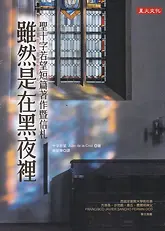
雖然是在黑夜裡 : 聖十字若望短篇著作暨信札 / 十字若望著
臺北市 : 星火文化, 2026
方濟各.沙勿略.桑丘.費爾明(Francisco Javier SANCHO FERMIN) 神父/前西班牙密契大學校長推薦語:
聖十字若望「思想中的某些方面與特質,在本書所涵蓋的短篇著作的光照下,表達得更為清晰與鮮明,並完美呈現出了其著作的整體性。」
若說十字若望的長篇著作 《聖十字若望.心靈的黑夜》、《攀登加爾默羅山》 、《聖十字若望的靈歌》、《愛的活焰》是神學的高峰,那麼他的短篇和信札是通往高峰實際可行走的山徑。
這些短篇著作及信札,原本就不是為了出版而寫的,他沒有設計格言的格式,他也沒有編輯書信。讀著、讀著,你會理解這本書就像是珍珠,是那些得到十字若望牧靈關懷的人們珍藏的寶物,經過後人的編輯,成為一本值得與十字若望的宏篇巨製分庭抗禮的重要著作。
我們看到的每一句話都有對象,都有情境,讓後世的人更貼近十字若望真實的人性。因此,這本書不是讓人拿著研究十字若望的,最好是默思短句,玩味他給人的帶領。
本書在其整體著作中占有非常關鍵但常被低估的地位:
-
其內容包涵回應具體某個人、面對某個當下的掙扎,去提供立刻可行的分辨與指引,是實際的靈修,而非理論神學。
-
曾受過他指導的修女說,「十字若望神父擁有用話語及紙條,安慰那些他所指導的人靈的恩典」。
-
在〈談光說愛〉蒐集了兩百則他不知道在生活之中怎麼善用時間一筆一筆寫出來的短句,收到的人視若珍寶,因為每句都是值得品味的金句。
當時收到的人一再咀嚼且珍藏的金句,例句如下:
-
「凡不依靠導師與嚮導,喜歡獨來獨往的人,就如田野中的一株既孤單又無主的樹;即使有再多的果實,在尚未成熟之前,就已被路人採摘了。」
-
「因負重擔而跌倒的人,很難背負著重擔站起來。」
-
「蒼蠅若沾上蜂蜜,就會阻礙它的飛行;而靈魂若願緊握神修的美味不放, 便會妨礙其自由與默觀。」
好奇十字若望的神祕神學如何實際活出來,可以看他寫給周遭人的信函、小字條勉勵的話語。這些文本保存了若望作為靈修導師在具體情境中的分辨實踐,是理解其主要著作不可或缺的材料。
如果只讀聖十字若望 的長篇著作(如《攀登加爾默羅山》《黑夜》),容易覺得抽象而嚴峻;但一旦進入他的短篇著作(書信、箴言、小紙條),整個人會「活起來」,而且神祕神學會變得可以操作、可以實踐,落實到:今天,你該怎麼做?
本書收錄了十字若望的十五首短詩(包含〈黑夜〉、〈愛的活焰〉、〈靈歌〉),必須理解,十字若望的重量級著作皆由短詩而來,短詩是他神學思想的源頭,大部分著作是他對短詩的註解。而這些詩乘載著他神修迸發的感動,紀錄他最原始的神祕經驗。用詩來抒發神祕經驗,受到十字若望的熱愛,他甚至說,有些事「只能用詩說出來」,因為詩是象徵的語言,能說出「不能說的」。短詩看似零散、不系統性,卻是高度濃縮的神祕經驗,更適合用來默想、內化、操練。
這本書就是十字若望寫給朋友的提醒,沒有艱深的神學詞彙,用很簡單的話,幫你想清楚:什麼比較重要、該怎麼做正確的選擇?他的這些文字,會像是一個很懂你的前輩,在你身邊溫柔地接住你的煩惱,陪你慢慢找到更好的自己。

在俗修道 : 都市靈修漫步 / 理查.卡特(Richard Charter)著
香港 : 宗教教育中心, 2026
本書重新想像修道精神於現代城巿中的實踐。作者提出「城巿即修道院」的嶄新視角,透過靜默、服事、讀經、聖事、分享、安息與持守七大支柱,引導讀者在喧囂日常中尋獲神聖空間。
書中不僅融會個人靈修筆記、詩歌與禱文,更交織難民、無家者等邊緣群體的真實故事,展現靈性與社會關懷的深刻結合。這是一本為當代尋道者而寫的靈修地圖,邀請人在石屎森林中,活出默觀與服事共融的整全生命。
本書特色:
-
提出清晰都市靈修實踐路徑。
-
融合個人故事、詩歌、禱文與團體見證。
-
文筆真摯流暢,兼具文學美感與靈性深度。
-
擁抱邊緣群體,強調服事與被服事的雙向轉化。
-
重新定義聖俗空間,打破傳統修道觀念。
《在俗修道:都市靈修漫步》一書,承續「修道不是高牆之内的生活」的精神,更將之還原為「在城中生活之道」。作者把聖潔從聖所延伸到餐桌,把禮儀轉化為關係,把修道帶回街角小巷,使我們相信:香港這城市,是上帝邀請我們修心之處。——陳榮豐牧師 香港聖公會教會政策文件導向委員會 門訓小組召集人
本書向讀者分享七個「在俗修道」的核心操練:靜默、服侍、《聖經》、聖事、分享、安息日和共處。當我們恆常地在日常生活中操練這七項靈性功課,我們在一呼一吸之間,便能將基督信仰自然流露,因為這本就是信徒生活的日常。——范晋豪牧師 香港聖公會教會政策文件導向委員會 主席
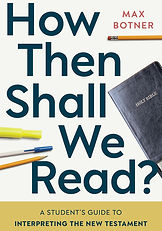
How then shall we read? : a student's guide to interpreting the old testament / Max Botner
Grand Rapids, Mich. : William B. Eerdmans Pub., 2026
“How Then Shall We Read? is a fresh, inviting guide that helps readers move beyond easy assumptions and step into a richer, more honest engagement with Scripture. Max Botner blends clarity, depth, and pastoral warmth as he shows how interpretation, theology, history, and community come together to form faithful readers. It’s a book that doesn’t just teach you how to read the Bible—it helps you love it more deeply.”—Elizabeth E. Shively, professor of Christian Scriptures, George W. Truett Theological Seminary, Baylor University
“It is immediately clear that How Then Shall We Read? draws deeply from Botner’s rich classroom experiences. This is far more than a mechanical how-to guide for exegesis. Botner shows how love—of God, neighbor, and text—belongs at the heart of faithful interpretation. This well-rounded textbook will serve students well and thus is a gift for teachers.”—Nijay K. Gupta, Julius R. Mantey Professor of New Testament, Northern Seminary
“With a capacious structure that covers a plethora of fascinating and vital topics, Max Botner provides a fresh approach to New Testament introduction as well as hermeneutics. His hermeneutic of love is not saccharine, but probing. Because sections are brief and tools for engagement are frequent, How Then Shall We Read? allows educators and students to engage with the issues he presents from a wide range of perspectives. I look forward to putting this into the hands of my students to kick-start a conversation—where we might agree or disagree, but without question, where we will be excited and equipped to engage.”—Amy Peeler, Kenneth T. Wessner Professor of New Testament, Wheaton College
“Botner provides us with an excellent resource for understanding the New Testament. He balances various methods, attends to contemporary issues, and updates students on the state of New Testament studies along the way.”—Madison N. Pierce, associate lecturer in the School of Divinity, University of St. Andrews
“This guide to interpreting the New Testament is a great gift to both students and teachers. Drawing on the best of scholarship and his experience as a teacher, Max Botner provides a comprehensive introduction that is clear, accessible, and compelling. He casts a vision that holds together the development of interpretive skill and the cultivation of Christian virtue. It’s a guide I wish I had available to me as a younger student of Scripture and that I’ll certainly be using in courses on New Testament interpretation.”—Timothy Gombis, affiliate professor of New Testament, Fuller Theological Seminary
“Max Botner sets out in this book to instill a love of Scripture through guided learning. There are not many scholars who would be able to deliver on the promise to treat wide-ranging and significant components of responsible biblical interpretation that are at the heart of this book—spanning hermeneutical, historical, theological, linguistic matters—but Botner succeeds in a way that is just as engaging as it is informative. This book will become a mainstay in my classroom; I look forward to the ‘faithful embodiment’ its wisdom cultivates.”—Kara Lyons-Pardue, professor of New Testament, Point Loma Nazarene University
“In our time, New Testament interpretation can be bewildering for students because of the variety of assumptions and approaches used in this field of study. Sure and steady guidance is needed to help newcomers navigate the difficult landscape. Thankfully, Max Botner provides this much-needed guidance. Writing in a conversational style and offering practical examples, Botner leads students step by step toward a reliable method of interpretation. I wish I had had this book to assign when I was teaching New Testament interpretation at Fuller Theological Seminary.”—Peter R. Rodgers, former teacher of New Testament, Fuller Theological Seminary
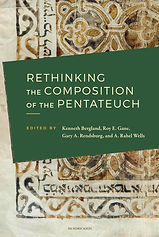
Rethinking the composition of the Pentateuch / Kenneth Bergland, Roy E. Gane, Gary A. Rendsburg, A. Rahel Wells.
Peabody, MA : Hendrickson Pub., 2026
A series of expert and yet accessible essays on how the Pentateuch came to be, written by leading scholars worldwide.
The Pentateuch constitutes the foundational text for Judaism and by extension for Christianity, hence its Hebrew name, Torah, which means “teaching.” How, when, and why did this text come to be? How did the remarkable authors in ancient Israel compose, compile, and create such a singular achievement as the five books from Genesis through Deuteronomy, with its masterful stories, moral and ethical legal system, and detailed information about the sacrifices?
The present volume paves new ground, with over forty essays by leading scholars worldwide (Jewish and Christian; American, European, and Israeli), as it provides expert and yet accessible studies covering all aspects of Pentateuchal study. Through these studies, the authors argue collectively that the Torah is to be seen (contrary to the view of many scholars) as ancient Israel’s earliest literature, dating to the very emergence of Israel as a people.
Key features:
-
Up-to-date, well written and organized
-
Directed to scholars and students alike
-
Perfect for seminary and graduate school courses
-
Clear, concise, and objective arguments
-
Conclusions based on the evidence, not on preconceived notions (such as the late dating of the Torah)
-
Includes linguistic argumentation, which serves as the most objective means for dating any text in any linguistic tradition
The book seeks to return the role of the Pentateuch to its honored position as the foundation of Judaism and by extension Christianity, contrary to what so many biblical scholars have argued over the past several decades.